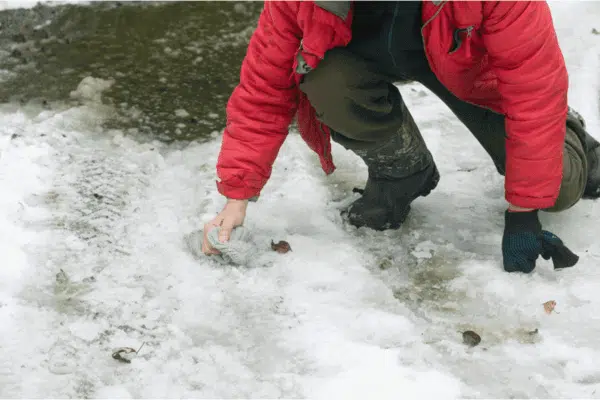
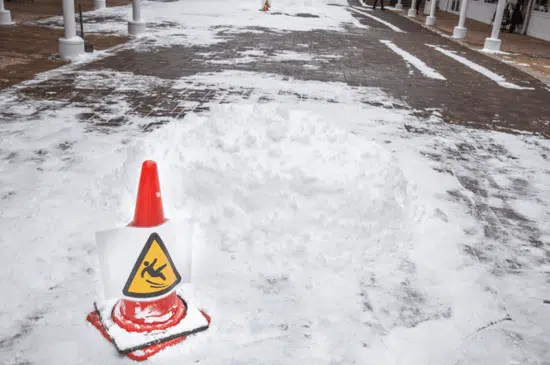
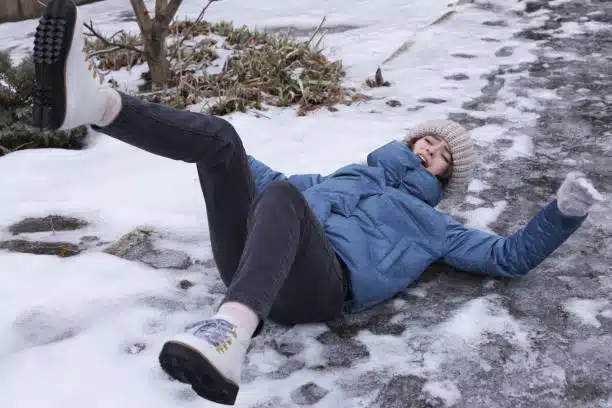
As we gear up for the winter season, it's essential to put safety as a top priority. Did you know that winter slips and falls are quite common? According to the Labor of Bureau Statistics, at least 20,000 injuries per year can be linked to falls on snow, sleet, or ice. As a result, injuries can range from sprains to more serious fractures. Taking a proactive approach can significantly reduce the likelihood of a severe accident.
Tips on How To Avoid Winter Injury
Staying safe in sleek conditions involves making wise decisions and taking preventive measures. Here are some tips that can help you to avoid slipping and falling.
Always choose the proper footwear- The best shoes to use for winter should have slip-resistant soles. Don't forget that snow and ice can stick to your soles. Knock off any debris on the bottom of your shoe before entering your home.
Utilize a slower walking pace- Winter slips and falls can happen when you're trying to rush. It's important to plan ahead and understand that you'll need some additional time to get to school or work.
Use support when available- Slippery conditions can make it difficult to get traction. Always use handrails, support rails, or banisters to help you walk. Use a cane or walking stick when you have a history of maintaining your balance efficiently.
Don't carry items- Even if you're doing everything possible to prevent a fall, you should be prepared if it happens. Having both hands free can help brace your fall and reduce impact. That makes it less likely to suffer from a serious back injury.
Dress appropriately- If you plan to go out in cold weather, ensure you have appropriate clothing and gear.
What to Do When You Fall
If you fall, the first thing to remember is not to panic. If you know you're about to fall, remember to tuck your chin in and turn to the side to avoid injuring your head. If you aren't sure what to do, curl into a ball and protect your head with your hands. Don't try to reposition yourself unless you're having trouble breathing.
When you do fall on ice or snow, don't attempt to get up by yourself, especially if you think you may have injured your back or neck. If you're alone, stay where you are and try to attract attention by shouting. If someone else is with you, they should call for help while you stay put and wait for help to arrive. Not moving quickly after a fall is important because your injuries could get worse. Don't make any sudden movements that could cause additional injuries, such as moving your head too quickly or trying to lift yourself by grabbing onto branches or trees.
When to see a Professional after a Slip or Fall
You should see a professional for winter injuries when the pain becomes chronic, or you start to notice any of the following symptoms:
Pain that is localized in one area of your body
The presence of abnormal bumps that won't go away
Inability to move a particular body part normally
Seek Professional Help Now
Minor injuries can be treated with over-the-counter medication, but seeing a professional chiropractor like the one from Kosak Chiropractic and Acupuncture can help when the pain doesn't go away. Spinal adjustments can become effective because we can help focus on relieving discomfort where you're feeling pain the most. Also, we provide acupuncture services targeting the specific issue to alleviate pain. It's important to note that we provide personalized treatment depending on the severity of your condition. Contact us to schedule an evaluation if it's been more than a few days with pain or discomfort.
Doctor
Dr. Kevin Kosak was born and raised in Olivia, Minnesota. Dr. Kosak studied biomedical science at St. Cloud State University in St. Cloud, Minnesota. He then earned his Bachelor of Science degree in Human Biology and his Doctor of Chiropractic degree from Northwestern Health Sciences University in Bloomington, Minnesota. Dr. Kosak also earned his acupuncture certification through the Acupuncture Society of America, founded and taught by the world-renowned and 1998 World Health Organization “Man of the Year”, Dr. Richard Yennie.